
Ewa Gentry Inmate Population Search
Ewa Gentry is a master-planned community on the Ewa Plain of leeward Oahu, and most Ewa Gentry inmate population data is kept by state and county offices outside the neighborhood. Adults booked here move through the Honolulu Police Department and land at the Oahu Community Correctional Center (OCCC), the intake jail for the First Circuit. This page shows how to look up custody status, pull arrest logs, and request criminal history records. You can search by name, case number, or state identification number. Most tools are free to use.
Ewa Gentry Overview
How Ewa Gentry Feeds the Inmate Population System
Ewa Gentry sits inside the City and County of Honolulu, so state custody data drives most searches. The Department of Corrections and Rehabilitation (DCR) runs the jail system under HRS Chapter 353. The chapter sets the rules for commitment, classification, and transfer. When a person is booked in the Ewa area, their record enters the state database within hours.
The H-1 freeway runs east from Ewa Gentry to downtown Honolulu. This is the route used to move people from the Kapolei Police Station to OCCC. Pretrial holds, short sentences, and work furlough cases all stay at OCCC. Longer sentences shift to Halawa or Waiawa, and many folks get moved more than once.
Family members often start a search with a name and a date of birth. That is enough for most state tools. Court case numbers help when a name is common.
OCCC and the Ewa Gentry Inmate Population
OCCC is the main jail for anyone booked in Ewa Gentry, Kapolei, Mililani, and the rest of Oahu. It holds pretrial defendants, short-term sentenced inmates, and people waiting for transfer. The facility sits on Dillingham Boulevard in Kalihi. Staff log every booking into the state roster, and the roster feeds the public search tools used by families and attorneys.
The DCR site posts visitation rules, mail guidelines, and phone account setup. Each housing module has set visit days, and walk-in visits are not allowed. You can view the full intake page for OCCC below. The linked image opens the OCCC home page, which covers custody basics for Ewa Gentry cases.
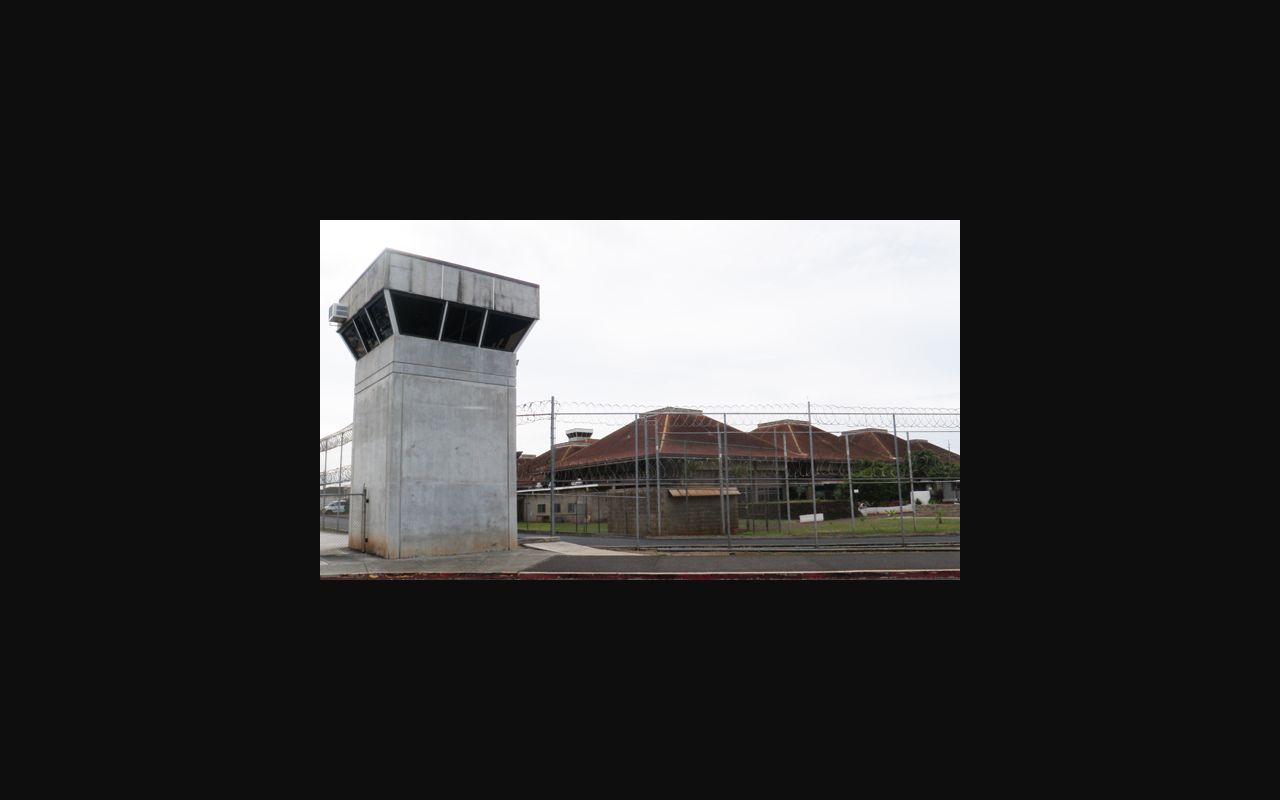
OCCC also runs a property drop system. Drop-offs run on set days and items must be new and in the original bag. Check the DCR page before you drive to the jail, since rules change with little notice.
Note: Ewa Gentry bookings often move from OCCC to Halawa or Waiawa within days, so always confirm the current housing location before a visit.
HPD District 8 and Ewa Gentry Arrest Logs
The Honolulu Police Department splits the island into eight patrol districts. Ewa Gentry falls under District 8, based out of the Kapolei Police Station. Patrol officers from District 8 handle most arrests in Ewa Gentry, and booking sheets flow to HPD Records Division in downtown Honolulu. The HPD main site lists contact lines, hours, and report request forms.
HPD posts a rolling arrest log under its public access policy. The log covers the last 14 days and drops off older entries. You can view or print the log during business hours at any police station. The policy page below shows the full rule set.

Logs show the arrest date, arrest location, charge, and booking number. They do not show court outcomes. For court outcomes, use eCourt Kokua. Arrest photos (mug shots) are not part of the public log.
SAVIN/VINE Custody Alerts for Ewa Gentry
SAVIN (Statewide Automated Victim Information and Notification) is Hawaii's free custody alert service. It runs on the VINELink platform. Victims, witnesses, and family members can register for calls, texts, or emails when a person's custody status changes. The service covers every DCR facility, so Ewa Gentry cases stay in the alert pool as they move between jails.
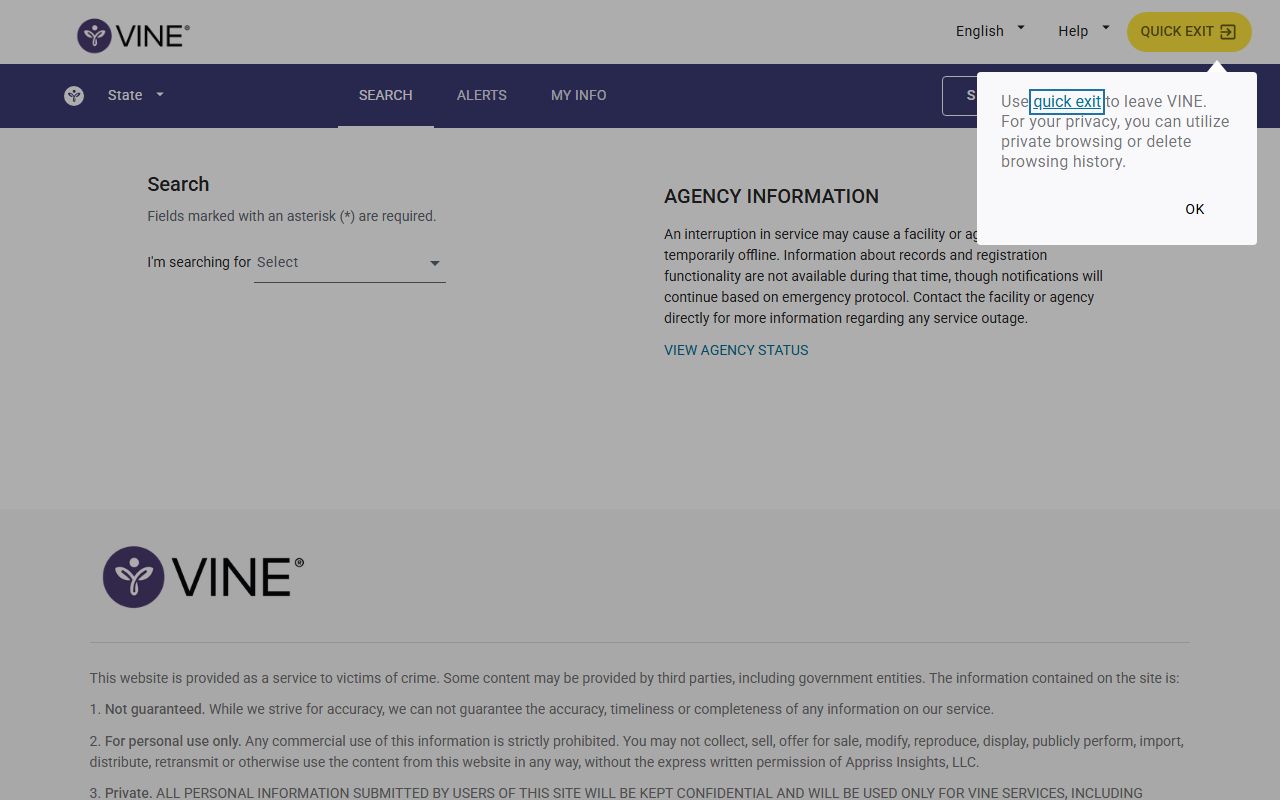
Search by inmate last name, first name, or state identification number (SID). The site returns the current housing unit, book-in date, and release status. If the record is sealed or the person was released, the tool shows a "not found" result. You can still call the facility to confirm.
SAVIN alerts are free and the sign-up takes a few minutes. You need a working phone or email. The state uses the data only for notification.
Ewa Gentry Inmate Population and First Circuit Court
Felony cases from Ewa Gentry are filed in the First Circuit Court in downtown Honolulu. District Court handles misdemeanors, traffic cases, and initial appearances. The eCourt Kokua portal is the public window into both court levels. It lists case numbers, charges, hearing dates, and judgments. You can check a case without paying a fee.
Court records link to custody status. When a judge sets bail, the case shows the amount. When a person posts bail, the court updates the record. If a defendant skips a hearing, a bench warrant appears and police can pick the person up at any time.
Court records are open to the public under HRS Chapter 92F, the Uniform Information Practices Act. Some items stay sealed. Sealed items include juvenile filings and records ordered sealed by the judge.
Note: Use eCourt Kokua together with the DCR custody search to get the full picture of any Ewa Gentry case, from filing through release.
Criminal History Checks Through HCJDC
The Hawaii Criminal Justice Data Center (HCJDC) runs the state's criminal history check system. HCJDC reports pull from court records, arrest records, and corrections files. The checks cover felony and misdemeanor cases from all islands, not just Oahu. Ewa Gentry residents can request a check on themselves or on any named person.
Fees and forms are posted on the HCJDC site. A name-based check runs about $30. Fingerprint checks cost more and take longer, but they are more accurate. State law under HRS § 92F-13 spells out which items are public and which stay closed. Non-conviction records are often closed.
HCJDC also runs public access sites on each island. You can walk in, search the state database, and print results. Staff will not run the search for you, but they will show you how.
UIPA Requests and Ewa Gentry Records
The Office of Information Practices (OIP) oversees the state's open records law. UIPA gives you the right to ask for most government records, including jail rosters and police reports. You can file a UIPA request with any state or county agency. The agency must respond within set time limits.
Not every record is open. Some items are closed under HRS § 92F-13. Closed items include juvenile records, medical files, and active investigation notes. Agencies can redact names of victims and witnesses before they release a file.
Fees are tied to search time and copy cost. Many small requests are free. Larger requests may cost $10 to $50 or more. Ask for a fee estimate before you file.
Note: UIPA requests work best when they name the exact record, the date range, and the agency. Broad requests get denied or delayed.
Sex Offender Registry Access
Hawaii runs a statewide sex offender registry under HRS § 846E-02. The public site is run by the Hawaii Criminal Justice Data Center. You can search by name, address, or zip code. Ewa Gentry zip codes (96706) return all registered offenders in the area.
Registry results show the offender's name, photo, address, and offense code. The list updates as offenders register or move. New Ewa Gentry residents must register with the Hawaii State Sheriffs Division, which operates from the Kapolei Judiciary Complex.
The registry is a notification tool, not a police alert. It does not send texts or emails. Check the site on a set schedule if you want updates.
Reentry and Oversight for Ewa Gentry
Hawaii law sets strict rules for reentry work. The Hawaii Correctional System Oversight Commission reviews jail conditions and reentry outcomes. Inmates returning to Ewa Gentry often enroll in work furlough at OCCC, then move to transitional housing on Oahu. The program is spelled out in HRS § 353L.
The Hawaii Correctional Industries unit offers job training inside the facilities. Training covers trades like printing, furniture making, and farm work. The goal is to cut the chance of repeat offenses.
HRS § 353-11 and § 353-12 cover commitment and transfer rules. These rules set the path from arrest through release.